
Ever notice your knees making popping or cracking sounds every time you squat? Don’t worry — you’re definitely not alone. From gym beginners to experienced athletes, many people hear strange noises coming from their knees during workouts. Sometimes it’s a soft click, other times a loud crack that makes you stop and wonder if something is wrong. The good news is that knee cracking is often completely harmless and simply caused by gas bubbles, moving tendons, or normal joint movement. However, in some cases, those sounds can point to muscle tightness, poor squat form, or underlying joint issues that deserve attention. Understanding why your knees crack can help you squat with more confidence, improve your mobility, and prevent future discomfort. In this blog, we’ll break down the most common causes of knee cracking during squats, explain when it’s normal, and share simple tips to keep your knees healthy and strong.
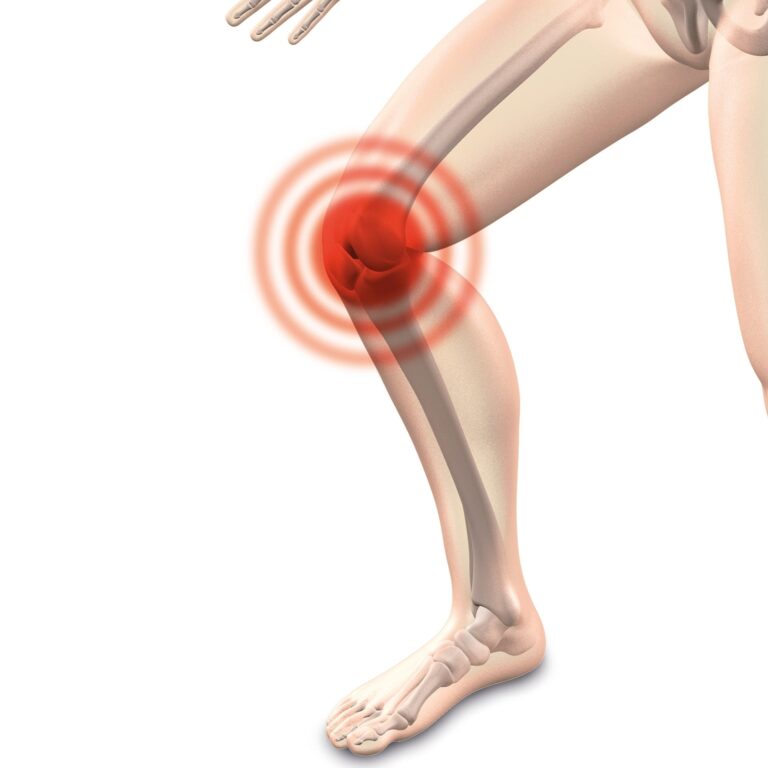
Is It Bad If Your Knees Crack When You Bend?
Hey, if your knees crack and pop when you bend them or while rising from sittings, it’s usually not dramatic—lots of folks hear cracking or a cracking sensation from air bubbles or the way the kneecap or knee cap moves. You might get cracking sounds, a crunch, crackle, or pop when I squat. or a crack and pop when you’re experiencing cracking in the knee squatting, in a squat position, doing a lunge, or anytime you pop when I squat—that’s often just knee popping or knee crepitus. Lots of people’s knees make noise, and knees that crack don’t always mean trouble.
Still, if you’ve got knee pain, swelling, a painful knee-cracking feeling, or symptoms like grinding under the kneecap or thigh weakness, it could point to issues like knee osteoarthritis, which can develop from repetitive stress and is often associated with pain in older adults. or actual arthritis rather than harmless popping and cracking. Noises like a clicking sound or knee clicking combined with pain deserve attention.
For knee health, strengthen the muscles that support the joint; try a simple knee bend. pain reliever if needed, and if you’re worried—especially after injury—see a doctor, see a physiotherapist, or see an orthopedic or sports medicine pro to sort out why your knees crack and how to protect them.

Assess Why My Knees Crack Every Time I Squat — Assessment Checklist (Scoring Tool)
Use this checklist to quickly assess possible causes and severity when you experience a cracking or popping sound in your knees every time you squat. For each item, select the score that best matches your situation. Total the scores and review the interpretation and recommended actions below for any pain or swelling.
- Pain with cracking noises in your knee — Does the cracking come with pain?
- 0 = No pain
- 1 = Mild occasional pain after activity
- 2 = Moderate pain during or immediately after squatting, possibly related to the knee joint
- 3 = Severe or limiting pain
- Swelling or warmth — Any visible swelling, warmth, or fluid build-up around the knee?
- 0 = None
- 1 = Mild transient swelling in the knee joint
- 2 = Persistent swelling or warmth after activity
- 3 = Significant swelling or locked joint
- Instability or giving way — Does the knee feel unstable or give out, which could suggest a meniscus tear?
- 0 = Stable
- 1 = Rare mild instability
- 2 = Recurrent episodes of giving way
- 3 = Frequent instability or inability to trust the knee joint
- Audible crepitus only — Is it only noise without other symptoms?
- 0 = No noise
- 1 = Occasional soft noise
- 2 = Regular loud crack but no pain
- 3 = Very loud/grating sound with discomfort, often associated with pain.
- Range of motion can be affected by painful knee cracking, which may be a sign of chondromalacia patella. — Any limitation in bending or straightening the knee?
- 0 = Full range of motion in the knee joint
- 1 = Slight stiffness that resolves with movement, but you might experience a popping sound when you’re squatting.
- 2 = Noticeable loss of range affecting activities, which may involve the knee joint
- 3 = Marked restriction or locking
- History of injury — Prior trauma, ACL/MCL tear, meniscus injury, or surgery?
- 0 = No prior knee injury
- 1 = Minor past injury fully recovered
- 2 = Past significant injury or partial repair of the knee joint
- 3 = Recent major injury or unresolved problems that may cause pain or swelling.
- Activity-related onset — Did cracking start after increasing activity, new exercise, or technique change?
- 0 = No relation to activity affecting the knees from cracking
- 1 = Slight correlation (minor increase)
- 2 = Clear onset after training change
- 3 = Sudden onset after high-impact or heavy load on the knee joint
- Muscle strength & control—Quadriceps/hamstrings/glute strength and squat control?
- 0 = Good strength and control
- 1 = Mild weakness or technique issues
- 2 = Moderate weakness affecting movement pattern
- 3 = Significant weakness or inability to control squat
- Flexibility and mobility—Tightness in quads, hamstrings, calves, or hip mobility limiting squat?
- 0 = Good mobility
- 1 = Mild tightness
- 2 = Moderate mobility restriction
- 3 = Severe restriction altering mechanics, often accompanied by a popping sound when you bend your knee.
- Body weight and load — High BMI or regularly lifting heavy loads?
- 0 = Healthy weight and moderate loads
- 1 = Slight excess weight or occasional heavy lifts
- 2 = Overweight or frequent heavy loading
- 3 = Obesity or repetitive extreme loading without adaptation
- Alignment and foot mechanics—knock-knee/flat feet or poor tracking of the patella?
- 0 = Normal alignment; any deviation may indicate underlying issues like arthritis.
- 1 = Mild alignment issues
- 2 = Clear malalignment affecting squat
- 3 = Severe malalignment or structural issue indicated by a popping sound when you bend your knee.
- Age and degenerative signs — Older age or known osteoarthritis can increase the likelihood of experiencing a popping sound when you’re squatting.
- 0 = Young, no degenerative history
- 1 = Middle age with minimal changes
- 2 = Older with some degenerative symptoms
- 3 = Known osteoarthritis or progressive degeneration
- Previous imaging or diagnosis — Any MRI/X-ray showing meniscus, cartilage, or bone issues?
- 0 = No imaging needed/normal
- 1 = Imaging done but minor findings
- 2 = Imaging shows moderate structural changes
- 3 = Significant structural damage on imaging
Total score (sum of items; max 39):
Score interpretation
0–6: Likely benign audible crepitus. Common and often related to gas bubbles or minor tracking — focus on strengthening, mobility, and technique. 7–15: Mild to moderate mechanical factors or early cartilage/meniscus irritation — conservative care advised (load management, physio, technique). 16–25: Moderate concerns — consider clinical evaluation, targeted rehabilitation, and possibly imaging if you experience pain or swelling. 26–39: High risk of structural injury or significant degenerative change—prompt assessment by a healthcare professional (orthopedist/physiotherapist) and imaging recommended.
Suggested next steps based on score
- 0–6: Continue regular exercise with emphasis on knee-friendly technique, warm-up, and strengthening hips/quads. Monitor symptoms.
- 7–15: Start or consult physiotherapy for movement assessment and exercise program (glute/quad strengthening and mobility work) and adjust training load.
- 16–25: Book a clinical assessment. Your clinician may order imaging (X-ray or MRI), prescribe a structured rehab plan, and advise temporary activity modification.
- 26–39: Urgent clinical review advised. Imaging and specialist input may be needed to rule out tears, advanced cartilage loss, or other serious pathology.
Red flags—seek immediate care
- Severe swelling or inability to bear weight
- Sudden locking of the knee joint or foot drop
- High fever with joint warmth (possible infection)
- Recent significant trauma
This checklist is for informational purposes and does not replace professional medical advice. And to sum up this whole discussion, I’ll give you a scientific climb behind it.
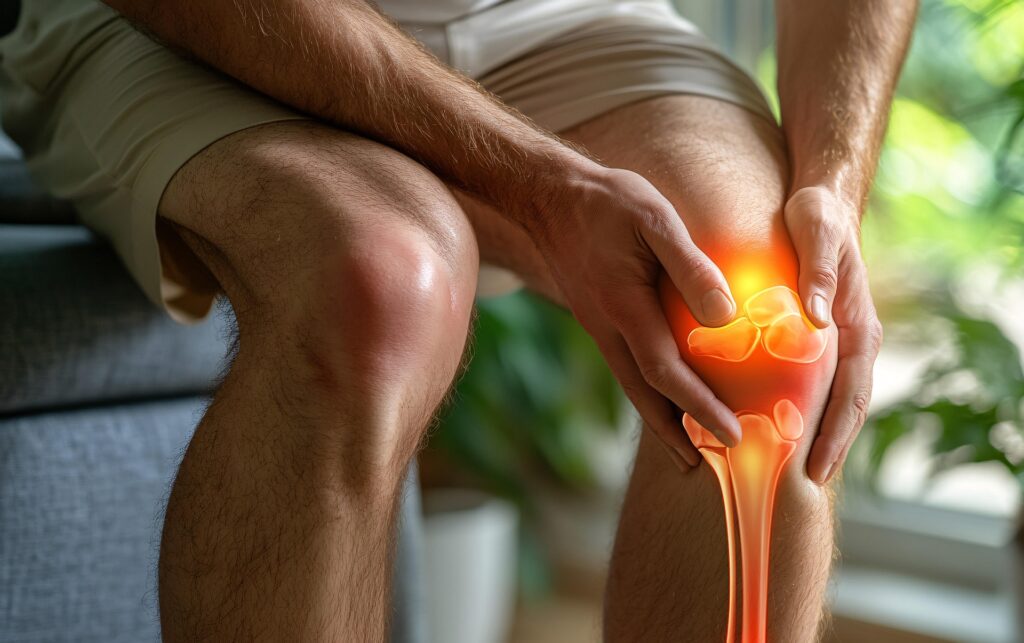
What is knee crepitus? Scientific Background:
Knee crepitus is the medical term for a grinding, popping, clicking, or cracking sound or sensation that comes from the knee joint during movement. If you search for “why do my knees crack every time I squat,” knee crepitus is the likely explanation.
What Causes Knee Crepitus?
- Gas bubbles: Small bubbles of nitrogen or carbon dioxide can form and quickly collapse in the joint fluid (cavitation), producing a popping noise.
- Tendon or ligament movement: Tendons or ligaments can snap over bony bumps or tight structures during motion, creating a clicking sound.
- Cartilage wear or roughness: Damage or thinning of the cartilage surfaces (as in osteoarthritis or chondromalacia) can cause grinding or crunching sensations.
- Meniscus or structural issues: Tears, loose fragments, or malalignment can produce persistent clicking or catching.
Is It Painful or Dangerous?
Knee crepitus by itself is often harmless, especially if there is no pain, swelling, instability, or loss of function. However, if cracking is accompanied by pain, swelling, locking, giving way, or limited range of motion, it may indicate an underlying problem that needs evaluation.
Still Something Thinking? FAQs
When thinking due to fear or using much social media, then take a look below.
Why do my knees crack every time I squat, but it’s usually harmless?
Many people hear a popping sound or feel cracking or popping in the joint when bending the knee during squats; this is often due to gas bubbles in the synovial fluid that collapse or “tiny bubbles” bursting, and in most cases it’s usually harmless and nothing to worry about if there is no pain or swelling.
When is knee popping during squats causing you pain a sign of something more serious?
If the popping is accompanied by sharp pain, swelling, locking, or instability, that suggests something more serious, and you should see a clinician to identify the underlying cause—such as a meniscal tear, ligament injury, or cartilage damage—rather than assuming it’s just harmless noise in your knee.
Can repeated popping sounds and wear and tear lead to arthritis?
Occasional popping alone doesn’t necessarily lead to arthritis; however, chronic mechanical problems that make the joint rub or cause ongoing cartilage damage could increase wear and tear and raise arthritis risk, so persistent painful popping should be evaluated to reduce long‑term harm.
What causes a popping or cracking sound—are there tiny bubbles or a structural problem?
The most common causes are harmless: tiny bubbles in the synovial fluid, tendons or ligaments snapping over bony prominences, or mild tracking issues. Structural problems like torn cartilage or a displaced piece of meniscus are less common causes but more likely when the popping is painful or limits motion.
Should I change my leg day routine if I hear popping during squats or knee clicking?
If the noise is not painful, you can usually continue training, but modify load, depth, or technique and reduce volume until you rule out injury; incorporate foam rolling and stretching; address tight quads; and use rehab exercises to improve control and alignment before returning to heavy squats.
Which rehab exercises and treatments help reduce knee popping and improve stability?
Targeted rehab exercises that strengthen the glutes, hamstrings, and quadriceps, plus hip abductor work and balance drills, can correct forces that cause the joint to rub. Combine these with foam rolling and stretching and a progressive loading program to address the movement patterns that lead to popping.
When should I see an orthopedic surgeon for knee popping and cracking?
See an orthopedic surgeon or sports medicine specialist if you have persistent pain, swelling, locking, or giving way or if conservative measures fail to improve symptoms—especially when tests are needed to identify the underlying structural issue or to plan surgical vs. non‑surgical care.
Can tight quads or poor technique make my knees pop every time I squat?
Yes—tight quads, poor hip mobility, and technique errors can change tracking of the patella and make tendons snap or cartilage rub, producing popping noises; addressing mobility, strengthening weak muscles, and correcting technique often reduce the sounds.
Are there quick self‑checks to tell if knee popping is nothing to worry about or needs evaluation?
Check for pain, swelling, bruising, reduced range of motion, or instability after squats: the absence of these signs usually means it’s nothing to worry about, but persistent symptoms, changes after trauma, or progressive limitation indicates you should get evaluated to identify the underlying problem.
How can I prevent popping during squats from returning? Should I use braces, tape, or rely on rest?
Prevention focuses on correcting movement and strength deficits: use rehab exercises, consistent foam rolling, and stretching to address tight quads and other tight tissues; work on squat form and progressive strength training; and reserve braces or tape for temporary support while you identify and treat the cause rather than as a long‑term fix.
Beyond Cracking:
A few of the inflammatory diseases found in the knee, ending in “itis,” are Synovitis, bursitis, arthritis, etc.
How to differentiate:
Distinguishing benign crepitus from early osteoarthritis (wear and tear) involves assessing symptoms and risk factors. Harmless noise is usually painless, intermittent, and unchanged by rest or activity. Osteoarthritis is more likely when cracking is accompanied by chronic joint pain, stiffness (especially after rest or in the morning), reduced mobility, age-related risk, prior joint injury, or progressive symptoms. On exam, doctors look for tenderness, swelling, joint line pain, and reduced function. Imaging (X-ray for osteoarthritis, MRI for soft tissue issues) and clinical assessment are used to confirm the diagnosis. The same applies to synovitis if the knee is swollen due to an internal injury, which requires an MRI. Or bursitis due to infection in the internal bursa or layer of tissues within the knee, but is much more painful than “crack.”

Practical steps and when to seek care for noisy knees:
A few immediate steps one needs to self-assess (discussed above).
Reach and consult a relevant practitioner.
If the noise is just crackling, then change the irrelevant movement angle along with the shoes.
Immediate practical steps you can try
- Warm up first: 5–10 minutes of light cardio (walking, cycling) and dynamic leg movements increase joint fluid and reduce noises.
- Improve squat form: Keep knees tracking over toes, maintain a neutral spine, hinge at hips, and avoid letting knees collapse inward (valgus).
- Progress range and depth gradually: If deep squats cause cracking or discomfort, limit depth until strength and mobility improve; this may prevent conditions like patellofemoral pain syndrome.
- Strengthen supporting muscles: Focus on quadriceps, hamstrings, glutes, and hip abductors to stabilize the knee (see sample exercises below).
- Work on mobility: Improve ankle dorsiflexion and hip mobility; tight hips or ankles can change squat mechanics and increase knee stress.
- Modify load and volume: Lower weight, reduce repetitions, or switch to single-leg variations if noise is accompanied by discomfort.
- Check footwear: Use stable shoes with appropriate support or squat shoes for better force distribution.
- Pain management: Consult a physical therapist if pain persists. For mild soreness after activity, use ice for 10–15 minutes, rest, and over-the-counter anti-inflammatory or acetaminophen per label; if pain persists, see a doctor. Avoid painful movements, especially if they lead to painful knee cracking.
- Support if needed: A simple knee sleeve or taping can give proprioceptive feedback and confidence during exercise; avoid long-term reliance without addressing underlying issues.
Simple exercises to stabilize the knee
- Wall sits: 2–3 sets of 20–40 seconds to build quad endurance.
- Terminal knee extensions (banded): 2–3 sets of 12–15 reps for quad activation.
- Glute bridges / hip thrusts: 2–3 sets of 8–15 reps to strengthen posterior chain.
- Clamshells or banded lateral walks: 2–3 sets of 12–20 reps to work hip abductors.
- Hamstring curls (bodyweight or machine): 2–3 sets of 10–15 reps.


Common Mistakes People Make:
When things are discussed commonly or social media is consulted frequently. Myths develop automatically; take a look and tell me how many of them you came across!
- Assuming every knee crack is a sign of serious damage or cartilage loss.
- Ignoring pain and treating cracking as harmless when it’s accompanied by discomfort or swelling.
- Self-diagnosing based on internet searches instead of consulting a clinician for persistent or painful symptoms.
- Automatically stopping all exercise instead of modifying form or volume to address the issue.
- Blaming the knees alone and neglecting weak or tight hips, glutes, hamstrings, and calves that alter squat mechanics can lead to conditions like patellofemoral pain syndrome.
- Using excessive knee braces or supports as a long-term substitute for strengthening and proper movement patterns.
- Performing squats with poor technique (knees caving in, heels lifting, too much forward lean) will not resolve cracking.
- Relying exclusively on painkillers or anti-inflammatories to mask symptoms without addressing causes can lead to worsening knee issues, including painful knee cracking.
- Overstretching or aggressively forcing joint mobility is not recommended; instead, progressive mobility and strengthening exercises should be used.
- Assuming that supplements (glucosamine, chondroitin) will fix cracking without lifestyle or training changes is a mistake.
- Wearing inappropriate footwear or lifting shoes can compromise alignment and increase joint stress.
- Comparing oneself to others and ignoring individual anatomy, past injuries, or mobility limits when interpreting joint sounds can be problematic.
Conclusion:
Hearing knee noises during a squat can stir curiosity and concern. In many situations, these sounds are a normal part of joint movement, but they can also hint at subtle issues worth watching. The goal here is clarity and calm, so you can decide when to monitor at home and when to seek guidance.
As you reflect on your knees, remember that awareness beats alarm. Note when the noises occur, how the knee feels, and which activities surround them. With consistent observation, you can distinguish routine crepitus from signals that merit professional input.
- Consistency often matters more than intensity. Noisy but pain-free knees can respond to gradual movement quality improvements.
- Technique and tempo influence outcomes. Small adjustments in squat form and warm-up can shift how the kneecap glides under the thigh.
- Professional guidance can illuminate the path. If red flags appear, an evaluation helps tailor a plan that balances activity with joint protection.
At Healing1122, we value informed, compassionate care as a route to better outcomes. If you’re curious about integrating mindful movement into a broader wellness plan, consider a simple weekly habit such as short mobility routines and progressive loading practice.
“A patient who understands the why behind their symptoms is half on the road to relief.”


