
Understanding tension-type headaches
Have you ever felt as if someone wrapped a tight band around your head and gently kept squeezing? It’s an odd sensation—uncomfortable, distracting, and sometimes even a little alarming. Many people immediately worry about serious neurological problems, but in reality, this feeling is often linked to everyday factors such as stress, muscle tension, poor posture, fatigue, or tension-type headaches. The challenge is that a “tight band” sensation can mean different things for different people. Understanding what your body may be trying to tell you is the first step toward relief. Let’s explore the common causes, warning signs, and effective ways to manage this surprisingly common symptom.
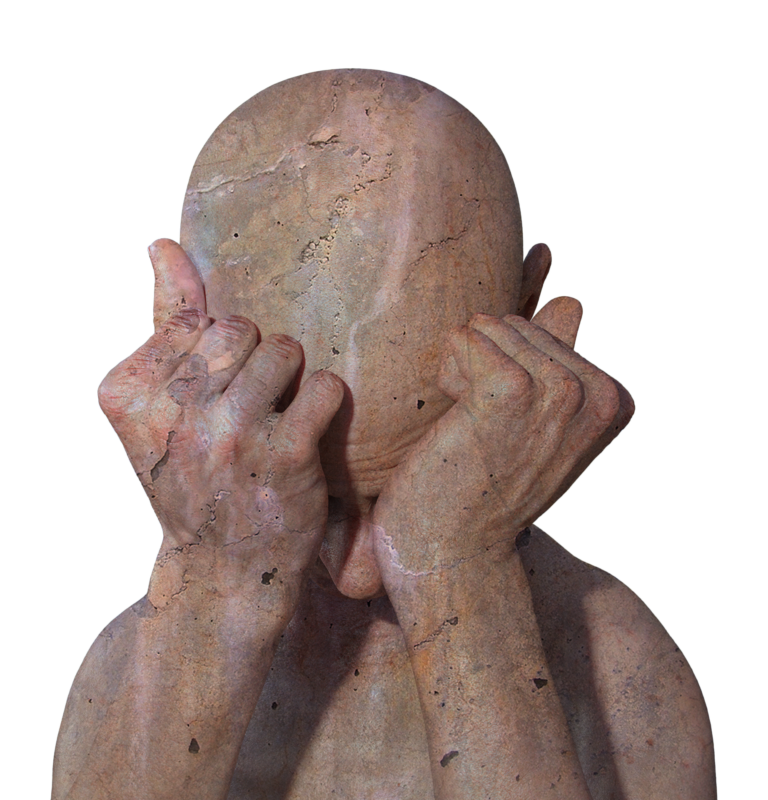
How muscle contraction in the scalp, neck, and jaw creates the “band” sensation
The tight band you notice is closely linked to muscle tension in the scalp, neck, and jaw. When these muscles contract or become fatigued, they can compress nearby tissues and nerves, producing a squeezing or pressure feeling across the head. This tension may reflect physical strain, poor posture, or repetitive activities that keep muscles shortened for long periods. Eye strain from long hours of close focus can indirectly increase tension in surrounding muscles and contribute to head pressure, potentially triggering a migraine.
When to seek professional evaluation
If headaches persist beyond two to three days per week, worsen over time, or include numbness, visual changes, or fever, consult a clinician. A simple headache diary noting time of day, triggers, and intensity can guide diagnosis and treatment choices.
Self-Assessment:
This brief questionnaire helps you estimate likely contributors to a “tight band” sensation around the head and provides a scored summary plus commonly associated medical terms and suggested entities to discuss with a clinician. It is not a diagnosis. Instructions
QUICK VALUATION
This brief questionnaire helps you estimate likely contributors to a “tight band” sensation around the head and provides a scored summary plus commonly associated medical terms and suggested entities to discuss with a clinician. It is not a diagnosis.
For each statement, select the option that best matches your experience over the past month. Score each item: 0 = Never/No, 1 = Rarely/Mild, 2 = Often/Moderate, 3 = Very Often/Severe
Frequency and Character of head pain associated with tension headaches.
1. The head sensation feels like a tight band or pressure encircling the head. 0-1-2-3
2. Pain/tightness is bilateral (both sides) rather than one-sided. 0-1-2-3
3. The tightness is constant or present most of the day, often leading to mild to moderate head pain. 0-1-2-3
Associated Symptoms
4. Muscle tenderness in the scalp, neck, shoulders, or jaw on palpation can be a sign of a common type of headache. 0-1-2-3
5. Stress, anxiety, or recent increased life pressures correlate with the headaches. 0-1-2-3
6. Sensitivity to light or sound is minimal or absent during episodes. 0-1-2-3
Triggers and Behavior
7. Symptoms worsen with prolonged poor posture (computer, phone) or neck movement. 0-1-2-3
8. Teeth grinding, clenching, or TMJ pain is present. 0-1-2-3
9. Symptoms improve with over-the-counter analgesics like ibuprofen, massage, rest, or heat to relieve headache pain.0-1-2-3
Medical and Lifestyle Factors contributing to tension headaches and migraines.
10. Frequent use of pain medications (more days than not) for headaches in the last month. 0-1-2-3
11. Poor sleep quality, fatigue, or mood symptoms (low mood, irritability) accompany the head sensation. 0-1-2-3
12. Recent head, neck, or sinus infection, or new neurological symptoms (vision change, weakness, numbness, confusion) are present. 0-1-2-3
Calculate Score and take a review of your irritating headache.

Releasing the tension: a multi-pronged Quick approach
Addressing these triggers through stress management, ergonomic adjustments, and regular breaks can help reduce both the frequency and intensity of tension-type headaches and migraine episodes.
- Practical steps you can take now: set a 20 minute work window, then a 2 minute break to breathe and stretch, adjust chair height so feet rest flat, and position monitors at eye level to minimize brow furrowing.
- Try a simple neck release: tilt your head to each side, gently press with your hand for a deeper stretch, hold 15 seconds per side, repeat twice.
- Incorporate jaw relaxation: place the tongue on the palate behind the teeth, unclench teeth, and perform 5 cycles of light jaw opening and closing.
- Evidence-based approach: regular aerobic activity and mindfulness can help reduce headache frequency for many people.
Relief often comes from a mix of muscle relaxation, stress reduction, and daily habit tweaks, including the application of suboccipital muscle release techniques. Utilizing pressure-based release tools for neck tension, such as those offered by Range and Mark, can further enhance this approach to alleviate headache pain. A combined plan addresses both physical tension and the behaviors that sustain it, helping to alleviate discomfort from the upper neck and promote overall well-being, reducing the likelihood of tension headaches.
Targeted stretches for the suboccipital muscles and trapezius
Gentle movements can ease tightness in key muscle groups.
Suboccipital stretches help unwind base-of-skull muscles tied to neck strain. Try a slow chin tuck and light neck stretches a few times daily, holding each for 15 to 30 seconds. The trapezius benefits from mobility moves like shoulder rolls, neck tilts, and upper-back opening stretches.
Incorporate these into short daily sessions, especially after long periods of sitting or screen use. Consistency matters more than intensity for ongoing relief from tension headaches.
Stress management techniques and ergonomic adjustments
Managing stress and improving posture play a crucial role in controlling head pressure.
Simple practices include mindful breathing, brief movement breaks every hour, and setting boundaries around work tasks to prevent overload. Ergonomic adjustments like a properly positioned monitor, chair with good lumbar support, and a keyboard setup that keeps wrists comfortable can reduce neck and shoulder strain.
Eye strain can worsen head pressure, so consider these steps:
- Use proper lighting to reduce glare and prevent tension headaches.
- Follow the 20-20-20 rule: every 20 minutes look at something 20 feet away for 20 seconds to help prevent tension headaches.
- Adjust text size and contrast for easy reading
Practical tweaks you can try this week include a 45 minute work period with 5 minute stretch breaks, a document stand to reduce neck flexion, and a neutral keyboard wedge to keep wrists straight. If you work remotely, aim for hips slightly above the knees and feet flat on the floor. These adjustments can reduce head pressure for many people.
Combining stretches, stress management, and ergonomic tweaks can lower the frequency and intensity of tension-type headaches, helping you regain daily comfort and focus, while also reducing the risk of migraines.

Tension headache, head pressure symptoms and causes: FAQ’s
What causes the sensation of a tight band around the head?
The tight band sensation is most commonly caused by a tension-type headache, where scalp muscles and muscles in the forehead and temples, back of your head and neck contract or become tense. This creates a dull ache or squeezing sensation like pressure in your head rather than a throb, and is a common symptom of episodic or episodic tension-type headaches.This is not HTN or High blood pressure.
How is a band-wrapped-around feeling different from other headache causes?
A band-wrapped-around feeling is typically described as a steady, bilateral squeezing or pressure in your head across the top of your head, forehead and temples. It contrasts with migraine (often pulsatile or throbbing) and trigeminal neuralgia (sharp, electric pain). Primary headache types like tension headaches cause this pressure without an underlying serious medical condition most of the time.
When should I see a healthcare provider for this sensation?
See a healthcare provider if the tight band sensation is a new severe headache, associated with double vision, neurological deficits, sudden onset like a pinch or if it is unlike your usual headaches. Also seek prompt care if the headache is severe, persistent, or accompanied by fever, confusion or vomiting—these may signal cranial or other serious medical causes.
What are common headache triggers that lead to a tight band feeling?
Common triggers include stress, poor posture, eyestrain, lack of sleep, dehydration, and muscle tension in the head and neck. Overuse of over-the-counter pain relievers can also cause rebound headaches that perpetuate the band-like sensation. Lifestyle changes and identifying headache triggers can reduce recurrence.
How can I treat a tension-type “band” headache at home?
Home treatment often includes rest, applying heat or cold to the scalp muscles and neck, gentle stretching, reducing stress, maintaining hydration, and using over-the-counter pain relievers as directed. Biofeedback, cognitive behavioral therapy, and relaxing techniques can also help prevent tension headaches and reduce frequency. And the most important is to reduce screen-time.
Are there medical treatments or therapies to prevent tension headaches?
Yes—along with lifestyle changes, clinicians may recommend biofeedback, cognitive behavioral therapy, physical therapy for the head and neck, and sometimes preventive medications for frequent episodic or chronic cases. A healthcare provider can develop a plan to prevent headaches depending on whether the headache is episodic or more chronic.
Could this tight band be a sign of a more serious cranial or neurological condition?
While the band sensation is often benign, it can occasionally reflect cranial causes or other neurological disorders if accompanied by alarming signs such as sudden severe headache, double vision, weakness, or altered consciousness. In those cases, prompt evaluation is essential to rule out serious medical conditions.
How do I tell if my tight band headache is a primary headache or related to another condition?
Primary headaches, including tension-type headaches, are the headache is the most common and are not caused by another disease. If your headache fits typical tension headache symptoms—bilateral squeezing, gradual onset, mild-to-moderate intensity—and lacks red flags, it’s likely primary. If symptoms and causes are unclear, consult a healthcare provider for assessment and possible imaging to exclude secondary causes.
Can stress reduction really prevent or reduce the band-like headaches?
Yes. Reducing stress through regular exercise, sleep hygiene, time management, relaxation training, biofeedback, and cognitive behavioral therapy can significantly lower frequency and intensity. These lifestyle changes, combined with identifying triggers and appropriate medical advice, are effective strategies to prevent tension headaches.
Where can I find reliable information or guidelines on these headaches?
Trusted sources such as Cleveland Clinic and other major healthcare organizations provide evidence-based information on headache symptoms and causes, treatment options, and when to seek care. Discussing your symptoms with a healthcare provider ensures personalized diagnosis and management.
In Summary ;
A tight band sensation around the head can feel mysterious, frustrating, and sometimes even a little scary—but in many cases, it’s your body’s way of asking for attention, not panic. Whether the cause is stress, muscle tension, poor posture, fatigue, or an underlying health condition, understanding the source is the key to finding lasting relief. The good news is that many triggers can be managed with simple lifestyle changes, proper treatment, and a healthier daily routine. So, instead of letting that invisible “headband” take control, listen to your body, take action early, and give your mind the comfort it deserves.Consultation with a healthcare professional is advised if you notice persistent head pressure, changes in headache pattern, or new neurological symptoms. For additional guidance on this approach, you can explore Healing1122 resources.


