
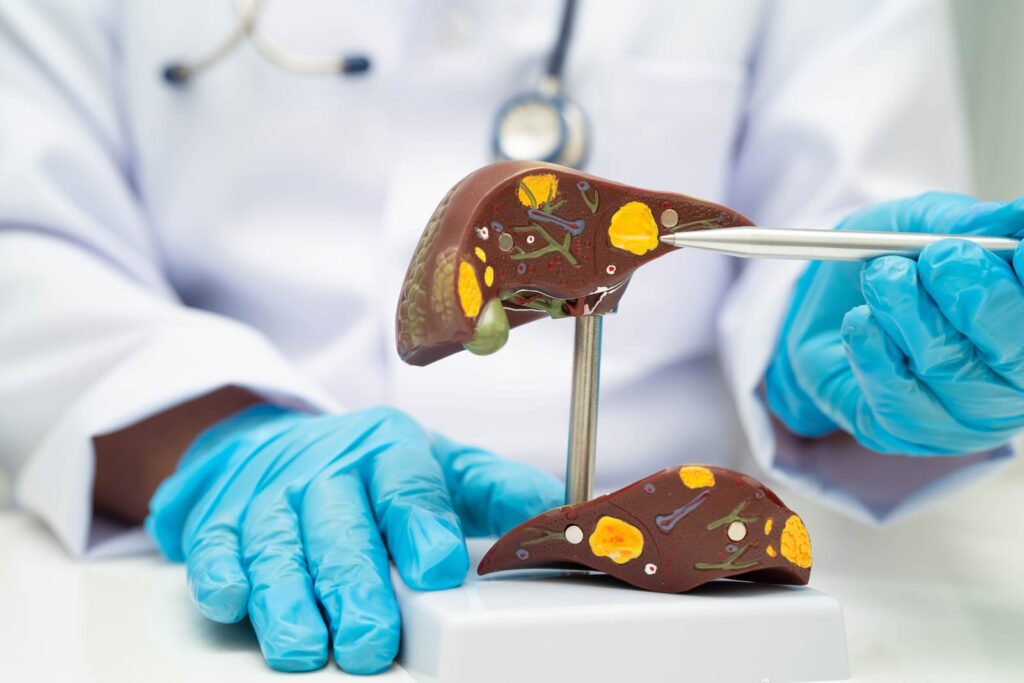
A common condition, not a rare virus or genetic curse. Fatty Liver Disease, has stealthily become the most common liver disorder in the developed world. Forget what you think you know. This issue isn’t just about alcoholics. This is about your morning orange juice, your “healthy” daily meal, your desk-bound job, and the metabolic chaos silently brewing beneath your ribs. By the time symptoms scream for attention, the damage can be beyond repair. This blog isn’t just information; it’s an intervention. We’re going to dissect the myths, confront the overwhelming data, and explore real solutions—including homeopathy. We’ll examine the question: Can homeopathy help reverse it? This is because getting a thorough medical evaluation is crucial before starting any form of therapy.
A Short History: From Obscurity to Global Menace
Fatty liver isn’t new, but our understanding of it is. For centuries, a “fatty liver” was almost exclusively associated with chronic alcoholism, a footnote in medical books. It wasn’t until the 1980s that leading pathologists like Dr. Jurgen Ludwig described a strange condition in patients who drank little to no alcohol: their livers were clogged with fat, inflamed, and scarred. They named it Non-Alcoholic Steatohepatitis (NASH). The medical community largely. Fast forward to the 21st century, and this obscure condition has grown into a global public health crisis, mirroring the alarming graphs of obesity and type 2 diabetes. What definitely changed? The environment. Largely food demand. And sedentary lifestyles also. Medicine was unprepared to diagnose a disease that had been simmering for decades under the guise of a modern lifestyle.
The Hard Numbers: A Statistical Tsunami
Statistical data about Fatty liver around the world is uncomfortable and, to some extent, terrifying. (After going through, tell me what you think in the comment section.)
The global prevalence of non-alcoholic fatty liver disease (NAFLD) is estimated at 25–30%. In some Western nations, that number soars past 40%. NAFLD is present in as many as 70% of individuals with type 2 diabetes. It’s not a random occurrence; it’s a metabolic gesture of disaster. The silent progression is for those with simple fatty liver (steatosis); about 20–30% will develop NASH (inflammation + damage). Of those with NASH, up to 20% will progress to cirrhosis—permanent, life-threatening scarring. The future forecast about NAFLD is that it is projected to become the leading cause of liver transplantation in the next few years, statistically surpassing hepatitis C and alcohol.
The Silent Epidemic: Metabolic & Inflammation;
WHAT IS FATTY LIVER?
Fatty liver disease is due to an abnormal accumulation of triglycerides within hepatocytes (liver cells), generally when fat exceeds 5% of liver weight, and it is classified into two forms:
- The first form is due to metabolic dysfunction, associated with insulin resistance and type 2 diabetes-related dyslipidemia-based steatotic liver disease (MASLD).
- The second and well-known form is Alcohol-related liver disease (ALD)
Biochemistry is the language of body metabolism; it describes the key biochemical factors that operate in our bodies.
Inflammatory cytokines (TNF-α, IL-6) → hepatic cell injury
Insulin resistance → increased breakdown of fat in adipose tissue
Hyperinsulinemia → activation of SREBP-1c → increased hepatic fat production
Oxidative stress → mitochondrial malfunction.
I will describe these factors in simple terms to clarify their basic reasons.
1. The Sugar (Fructose) Bomb: Unlike glucose, which can be used by any cell, fructose is almost entirely metabolized by the liver (resulting in hyperinsulinemia), processed snacks, and even “natural” agave syrup, converted into fat (triglycerides), which is then stored in the cells.
2. Insulin Resistance—The Root Cause: When you constantly overload your system with sugars and refined carbs, your cells become resistant to the hormone insulin due to overproduction, and this high insulin, in the first place, signals your liver to a) make more fat and b) stop burning fat.
3. Gut Dysbiosis: Emerging research indicates that unhealthy gut bacteria, often referred to as “leaky gut,” allow endotoxins (inflammatory cytokines) to enter the portal circulatory system, affecting the liver and complicating the fatty liver process.
4. Genetic Susceptibility: Some genetic variations, such as PNPLA3, can significantly increase the likelihood of individuals accumulating liver fat and advancing to severe disease (oxidative stress), even at a lower body weight. This is the “skinny fatty liver.”
Stages Of Fatty Liver
To understand the development of diseased condition due to underlying factors and how fatty liver unfolds gradually,
1. Simple Steatosis (Grade 1)
- Fat buildup without inflammation
- Often without symptoms
- Can be Reversible
2. Steatohepatitis (MASH, formerly NASH)
- Fat + inflammation + liver cell injury
- Hepatic cell ballooning degeneration
- Potential for disease progression
3. Fibrosis
- Stellate cells are activated.
- Collagen accumulates in liver tissue
- decreased liver elasticity
4. Cirrhosis
- Massive scarring
- Abnormal liver structure
- Increased risk of hepatocellular carcinoma and liver failure
These stages are diagnosed with the help of specific ultrasounds for fibrosis and blood tests related to the liver and metabolism.
Modern Myths
Due to tradition and lack of awareness, myths develop among common populations and cultures and lead them to develop a false understanding of science that eventually hinders their concept of truth. Here are a few examples.
Myth 1: ” Fatty Liver Means you are An Alcholic.”
The Truth: No, you can have it even without touching alcohol. NAFLD, by definition, occurs with primary drivers of metabolism, such as poor diet, excess weight, and insulin resistance.
Myth 2: “Just Obese People Have Fatty Livers.”
The Reality: Although obesity is a significant risk factor, up to 10-20% of NAFLD cases are diagnosed in individuals who are “normal” weight, a condition known as “lean NAFLD,” exhibiting normal body mass index (BMI) but elevated internal organ fat. Generally they are frequently overlooked.
Myth 3: “Fatty Liver Is Benign and Needs No Treatment.”
The Truth: While simple steatosis may appear relatively stable, the situation drastically changes when inflammation (NASH) takes hold. NASH is a progressive, serious disease that can eventually lead to fibrosis, cirrhosis, liver failure, and liver cancer, as well as the risk of cardiovascular disease—the #1 cause of death in NAFLD patients.
Myth 4: “A Quick Detox Will Cleanse and Fix It.”
The Truth: The liver detox industry is a billion-dollar net trends. Your liver is a natural detoxifier. Overloading it with unproven juices, teas, or extreme fasts can be harmful. The only proven “detox” is permanent lifestyle change: removing the toxic dietary inputs that prompted the problem in the first place.
Mainstream Treatment Options: The Standard of Care
Conventional medicine has, until recently, had no specific drug for NAFLD/NASH. The cornerstone is, and remains, lifestyle modification. Means dietary changes, exercise, and weight loss. In certain cases, pioglitazone (a diabetes drug) and vitamin E (an antioxidant) are administered off-label to patients with biopsy-proven NASH. The landscape is being transformed by the introduction of newer drugs such as Resmetirom, the first approved NASH-specific drug, and Semaglutide, which is used for weight loss. However, these drugs are considered adjuncts to, rather than replacements for, lifestyle changes.
The Homeopathic Approach: A Fact-Based, Result-oriented,
Here’s where the argument gets interesting. While mainstream medicine targets the physiology of fatty liver (diet, exercise, drugs), homeopathy asks a different question: “Why and how is this individual’s metabolism predisposed to this dysfunction?” It views NAFLD not as a primary cause of disease of the liver but as a systemic disorder of metabolism and vitality. However, it includes a layer of individualized, constitutional treatment aimed at correcting the underlying energetic and metabolic imbalances. To be clear, there are few large-scale, gold-standard RCTs on homeopathy for NAFLD, which is a common criticism leveled at all complex, individualized therapies. However, a growing body of preclinical and clinical evidence is convincing.
Several studies on rats with NAFLD have found that certain homeopathic medicines like Chelidonium majus and Carduus marianus (milk thistle) can greatly lower liver enzymes (ALT, AST), reduce inflammation, and improve liver cell structure.
Human clinical trials in real-world settings have shown improvements in liver ultrasounds (reduced fat infiltration), liver function tests, and symptoms such as fatigue and abdominal discomfort in patients receiving concurrent homeopathic care and lifestyle advice.
Fact-based data describes the top medical centers that specialize in liver diseases in Europe and India that often use homeopathy as part of their treatment plans for NAFLD, and they report better results for patients and more willingness to make lifestyle changes. The key is integration, not opposition.
Common Homeopathic Medicines and Their Rationale;
As homeopathy treats diseased conditions with individuality and considers the personal history of each patient for reasoning and selection of medicine, the following are indicated for informational purposes and should not be taken as suggestions; always consult a qualified Homeopathic physician for proper treatment.
Symptoms by Stage and medicines,
Early Stage (Steatosis)
- Often no specific symptoms
- Mild fatigue or lethargy
- Incidental raised liver enzymes
- Usually China and Argentum nit covers the initial condition.
Steatohepatitis
- Right upper-sided abdominal hypochondriac off-and-on slight uneasiness
- Early morning fatigue lasting throughout day
- Mild enlargement of the liver (hepatomegaly).
- Medicines that mostly help are Lycopodium, Bryonia, Chelidonium, Cardus .
Advanced Fibrosis/Cirrhosis
- Disorientation (hepatic encephalopathy)
- Jaundice
- Ascites
- Edema
- Easy bruising
- These medicines include Ammonium benz, Elatrium, Cardus mar, Calc carb, and Phos. These medicines, if selected constitutionally, can help positively.
Important Note: Homeopathy is not about “this pill for that disease.” It is a personalized system biological approach. The medicine that works for your colleague may not work for you. Consultation with a trained, registered homeopath is important.
Self-Assessment: Are You at Risk?
Fatty liver often stays silent until damage progresses. Raising awareness and practicing honest self-assessment today can protect your liver and prevent serious complications tomorrow.
Take this quick questionnaire for yourself and your loved ones to protect them from future disaster. Answer YES or NO.
1. Do you frequently drink fruit juices, sodas, or teas with added sugar?
2. Is your eating habit is high in refined foods, white bread, pasta, and snacks including bakery items?
3. Do you have a waist radius greater than 40 inches for men and 35 inches for women?
4. Have you been diagnosed with Pre-diabetes, Type 2 Diabetes, or metabolic syndrome, previously known as Syndrome X?
5. Do your blood reports show high triglycerides and low HDL cholesterol?
6. Do you feel recurrent, unexplained lack of energy or mental fog or cognitive absence?
7. Do you have a dull tenderness or feeling of discomfort in your right upper abdominal area?
8. Is fatty liver disease or type 2 diabetes found in your family?
9. Do you exercise irregularly or not at all?
10. Do you have a history of intermittent dieting, and does your weight fluctuate rapidly or do you gain weight?
Scoring: If you answered YES to three or more questions, you have a high risk for NAFLD. It’s time to take action.
Your Action Call: Don’t Wait for the Crisis
Fatty liver disease is reversible in its early and middle stages. You hold the power of decision to change the course of events. Your first action to make:
1. Get Tested: Do not delay. Ask your doctor for a Liver Function Test (LFT) and an Ultrasound of the abdomen. These are simple, practical first steps.
2. Decide to Change: Start with ONE permanent change. Replace sugary drinks for water. Add a 20-minute exercise to your day. Add a vegetable to every meal.
3. Ask for Expert Help: Consult an integrative medicine Seek advice from a medical professional or a registered homeopath to develop a detailed, personalized plan that tackles the root cause from various perspectives.
4. Become an advocate for your own health. Pay attention to the “healthy” labels. Learn about insulin. Your liver is your body’s life nourishment system, not a trash can.
Conclusion: Reclaim Your Metabolic Sovereignty
Fatty liver disease is not a fate; rather, it is a feedback loop. It’s your body’s desperate, final bill for a lifestyle it was never meant to sustain. The path to reversal does not involve a magic pill or a harsh detox. Changes can only be made by making daily, deliberate choices to eat real food, nourish your body, manage stress, and consider therapies like homeopathy that aim to restore equilibrium to your entire system. The statistics are alarming, but don’t take them as a verdict. They’re a wake-up call. Your liver has an incredible capacity for regeneration—but only if you stop poisoning it and start supporting it. The silent epidemic will eventually come to an end once you decide to act. Why not start listening today?.


