
Embark on an enlightening journey into the realm of anal fissures and their treatment decisions. Surgery or no surgery? Treatment or Palliation? Homeopathy or Allopathy? This comprehensive guide unveils the mysteries surrounding these painful conditions by exploring their symptoms, causes, and available treatment options. What are the surgical and non-surgical success outcomes, and how can homeopathic treatment effectively address this condition without surgery? a myth or reality,

Understanding Anal Fissures
What is an Anal Fissure?
An anal fissure is a small tear in the lining of the anus. Think of it as a paper cut, but in a far less convenient location. This tear is refreshed with every defecation. Causing severe pain and bleeding. if left untreated, it may develop into a chronic anal fissure.
Anatomy of the Anus and Rectum
The anus is the last opening at the end of the digestive tract. It is the last section of the large intestine. The rectum is the second-to-last section of the large intestine, located just before the anus. that stores stool before it is eliminated. The anal canal is surrounded by the anal sphincter muscle, which controls the movement of waste. For continence and comfort, it is important that this muscle works properly.
Symptoms of an Anal Fissure
The hallmark symptoms of an anal fissure include intense anal pain during bowel movements.
The pain often lasts for hours or even throughout the day.
Rectal bleeding may occur.
This phenomenon is usually seen as bright red blood on toilet paper.
The pain can be severe enough to trigger spasm of the anal sphincter.
This spasm worsens the condition and delays healing.
It presents similar symptoms to hemorrhoids, which are far less painful than fissures.
Causes of Anal Fissures
Common Causes of Anal Fissures
Common causes of anal fissures include passing large or hard stool due to chronic or habitual constipation, which itself is produced by the acidity of the alimentary canal, and lastly straining during bowel movements, all of which can lead to a tear in the delicate lining of the anus. These factors can result in pain and bleeding, leading to the formation of an acute anal fissure that may develop into a chronic fissure if the causes are not addressed
Medical Reasons Behind Anal Fissures
Established reason behind fissures is strongly attributed to Crohn’s disease. It happens in 30-50% of these patients. Rest of the causative factors of anal fissures often result from trauma to the anal canal of any cause, leading to a tear in the anal mucosa. Location is 90% in the posterior or back side lining. Reduced blood flow to the area and spasm of the anal sphincter muscle can slow down fissure healing and ulceration recurrence. Age and gender don’t matter, and all nations show brotherhood here.
Diagnosis of Anal Fissures
Diagnosing an anal fissure typically involves a physical examination of the anus and rectal area. A doctor will visually inspect the anus to identify the tear, which is often located in the posterior midline.
Importance of Accurate Diagnosis
Accurate diagnosis of an anal fissure is important because the symptoms of an anal fissure, such as anal pain and rectal bleeding, can be similar to those of other conditions, such as hemorrhoids, or even more serious issues like anal cancer or anal fistulas. Differentiating these other conditions is crucial for effective and appropriate treatment. Other conditions that need to be differentiated include
Anorectal Abscess
Inflammatory Bowel Disease (IBD)
Solitary Rectal Ulcer Syndrome: A rare disorder causing ulcers in the rectum , producing the same symptoms.
Skin conditions like pemphigus or ulceration due to frequent loose stool may need an experienced physician.
5 Unsolved Facts Of Fissures
Interestingly, these five scientifically puzzling aspects of anal fissures—points that continue to raise questions in gastroenterology and colorectal research—are
- Why does blood circulation stay impaired even after healing?
Anal fissures reduce blood flow to the posterior midline of the anal canal due to local anatomical factors. What puzzles researchers is why this ischemia persists even after the initial tear, suggesting a self-reinforcing vascular dysfunction that isn’t fully understood . - The sphincter hypertonicity: cause or consequence?
Chronic fissures are associated with elevated resting pressure of the internal anal sphincter. It’s puzzling whether sphincter spasm causes the fissure by reducing perfusion or whether the fissure itself triggers reflexive hypertonicity. It means it is part of healing or disease. - Why the same location?
Statistically, 85–90% of anal fissures occur in the posterior midline. While the mechanical factor, the stool, stresses the entire canal and vascular bed as a whole, the location doesn’t explain any factor. - Why do fissures become chronic?
Similar fissures, the same stool consistency, and the same treatment give different outcomes. Genetic differences in pain threshold, muscle tone, healing timing, or nitric oxide signaling are investigated, but no definite reason has been identified. - Why severe pain, despite a tiny tear
A few millimeters long, the fissure causes severe pain after defecation. This response likely involves dense sensory innervation and central pain sensitization, but the exact neurobiological involvement is still incompletely understood.
Treatment Options for Anal Fissures
This study discusses options for both acute management and later treatment, with a focus on exploring the scientific reasoning of how can homeopathy treat it without surgery. Results require the expertise of research-based professionals for a better understanding and appreciation. We aim to stimulate critical thinking.
Conventional Treatment Methods
Conventional medical treatment, or rather, management procedures for anal fissures include conservative measures like sitz baths, stool softeners, and topical creams or ointments to relax the anal sphincter. By reducing spasms in the anal sphincter and improving blood flow to the area, these methods aim to promote or aid in fissure healing.
Failures of Conventional Treatments
Despite the helpful management of conventional treatments, they often fail to provide long-term relief and patients gradually develop chronic anal fissures. Persistent painful spasm of the anal sphincter muscle, poor blood circulation, or underlying bowel inflammation can hinder fissure healing. When conservative measures fail, more invasive interventions like internal sphincterotomy (operation) may be considered to treat anal fissures.
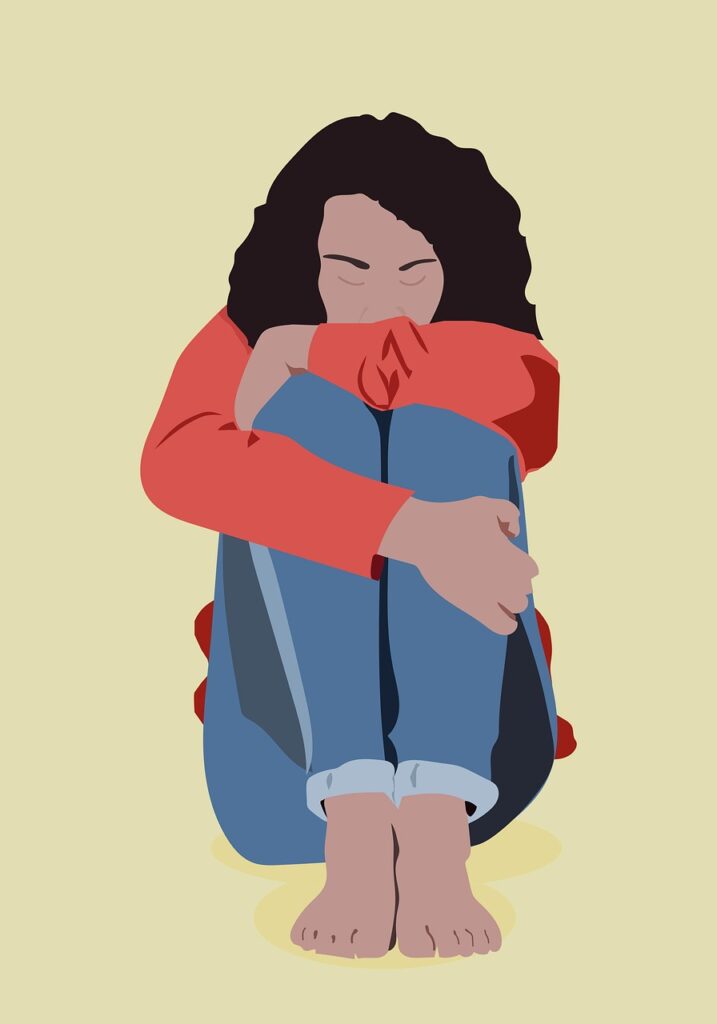
Homeopathy, What it offers:
How can homeopathy treat anal fissures without surgery? We are going to analyze this answer scientifically, despite the placebo accusation, homeopathic literature and its historical data offer a positive output for fissures. Chronic inflammatory markers cannot be fully treated with placebo, and homeopathy repeatedly shows its success in reverting these markers. Therapeutic use of epigenetically trace elements has been shown to treat inflammation. For acute treatment, a combination of Paeonia and Acid Nit in potency sufficient enough for homeopathy success is highlighted. Epigenetic modulation with changing gene expression but without changing DNA sequence, resulting in regulation of inflammation by modification in DNA methylation.
Nerve supply with its dermatome relation is a known fact in anatomy, and a nerve blocker to block sensory conduction is injected to achieve results in specific pain syndromes like sciatic pain. Homeopathic medicines are also capable of blocking pain conduction due to medicinal location or tissue affinity quality. In homeopathy, a medicine works for the right or left eye, like SANGUINARIA or SPIGELIA, respectively. Medicine like CALCIUM FLOUR has a specific affinity for the sacrum (S3-S5) low back, and it works on these dermatome supplies. Giving this medicine in 3X potency repeatedly controls pain severity. This is just a highlight of the benefits that homeopathy offers. For its anti-autoimmune and anti-inflammatory effects, medicine is selected according to epigenetic modification created by environmental and lifestyle influences. This is done professionally by a certified homeopath.
Conclusion:
In summary, anal fissures mostly resist acute treatment and develop into chronic painful conditions affecting individuals of all ages. While most acute anal fissures can improve with conservative treatment like sitz baths and local application of creams. Eventually chronic anal fissures often require surgical interventions, such as internal sphincterotomy. Luckily, homeopathy has an answer to this disorder, and a second opinion has a positive outcome in managing acute pain and chronic conditions as well.Care Clinic offers a helping hand before surgery.
FAQs.
When a thing becomes painful and later mentally irritating, it is better to look at the matter from a logical aspect. We summarize the whole problem in a few questions.
How are rectal symptoms of anal fissure and not hemorrhoids?
This condition may mimic hemorrhoids; symptoms and a physical exam of the anal canal are used to differentiate them. Fissures usually produce cutting acute pain rather than the burning pain more typical of hemorrhoids. Also, fissure pain persists throughout the day, and hemorrhoid pain lasts for a few minutes to half an hour.
What causes an anal fissure, and who is at risk?
Acidity is the initiating factor for the multiple causes of an anal fissure, which include passing hard stools, constipation, anal intercourse, and childbirth. The anal muscle and lateral internal sphincter spasm can perpetuate the tear, causing pain and delayed healing. Other risk factors include inflammatory bowel disease and anal canal narrowing (anal stenosis), which may make fissures more likely to develop or persist.
Do anal fissures heal with home remedies, or shall I see a doctor?
Many a time anal fissures heal with home treatment—warm water sitz baths, improved lifestyle habits, and adding fiber to meals often heal in a few days to a few weeks. If the fissure lasts more than 6 weeks, it is called a chronic anal fissure, or if acute pain continues and the tear fails to heal, you may need medical treatment such as prescription topical agents or referral to general surgery as a last resort.
Surgical or non-surgical, what are the options?
Chronic anal fissures may still respond to oral therapy and ointment to relax the lateral internal anal sphincter and promote blood flow. These appropriate treatment options only fail due to negligence in medication or eating habits. Homeopathy has a strong history of success, and consulting a certified practitioner may help extensively. Surgical procedures (e.g., lateral internal sphincterotomy) may be recommended to reduce anal sphincter pressure and allow healing if nothing else helps.
Why is an anal fissure so painful?
Severe pain occurs because the tear in the lining of the anus is exposed and the peripheral nerves are involved with the underlying anal muscle; this reactively causes the sphincter to go into spasm and results in increasing pain. Bowel movements also renew ulceration and cause burning pain afterward. The pain can be actively felt, its severity may increase, and one may experience bleeding with stools.
How are other conditions similar to an anal fissure distinguished?
A similar condition like hemorrhoids is painful but lasts for less time, like half an hour after stool. Anal dermatitis, or infections, produce similar symptoms, but pain is accompanied by skin involvement. Proctitis: another painful condition involving the anus but with tissue and mucosa affected more deeply than fissures. Careful symptom analysis and a physical exam of the anal canal help distinguish them.
What are the long-term complications of an anal fissure?
If a fissure is not treated or lasts a long time, it can lead to ongoing severe pain, a small growth called a sentinel tag, a narrowing of the anal canal (stenosis), and the development of an abscess. These are few complications, and early appropriate treatment can reduce the transformation of an acute fissure to a chronic one.


