
Diagnosis is an art, done with a scientific mind.
Welcome to the puzzling, often confusing (and sometimes heartbreaking) world of mental health. The 5 frequently undiagnosed and misdiagnosed mental disorders are to highlight the serious issues—where your absent-mindedness might not just be “usual matter,” and your anxiety isn’t just “worriedness,” and that chronic lethargy that happens often isn’t normal fatigue. Therefore, conditions similar to these are often undiagnosed and misdiagnosed mental disorders. How homeopathy rescues and alleviates foreboding disease is our topic.
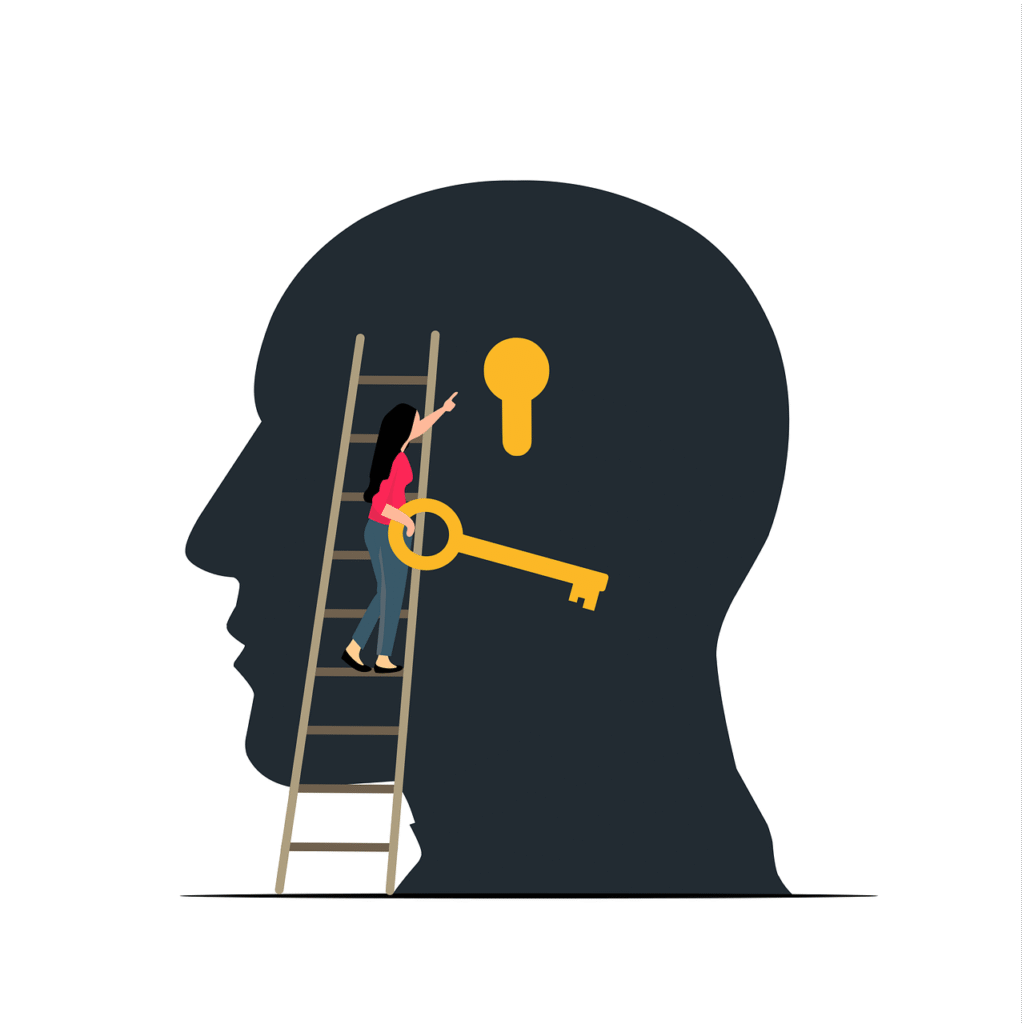
Why UnDiagnosed ?
The mind is an organ much more complicated than other viscera. The biochemical manifestations of the mind are not simple to determine in terms of cause and effect. Its display of behavior, revelation of symptoms, signs, and show of expressions are no less than a Hollywood actor’s. The mind most commonly adapts or acquires labels such as “lazy,” “dramatic,” “moody,” and “just not trying hard enough.” That’s the first reason for misdiagnosis: we LABELED a few conditions as social normality.
The rest of the common culprits for misdiagnosis are:
Symptom overlap with normal phenomenon or other diseases of non-mental origin (anxiety vs menopause, ADHD vs absence seizures)
Self-stigma surrounding mental health can hinder acceptance of the disease, leading to feelings of hopelessness, shame, or a lack of awareness. Public-stigma consists of a negative attitude and beliefs against mental health, and the discriminatory behavior of the public prevents them from expressing themselves to loved ones.
Cultural beliefs detract them from medical diagnosis (in South Asia, sadness = jinn possession?)
Over-reliance on medication, rather than addressing the root cause of the problem, leads to drug dependency that masks the original issue.
Under-reliance on self-medication and individualized self-diagnosis also contributes to this issue. This happens in the modern world due to over-dependency on AI informational data.
Now Meet The 5 Most Elusive Mental Guests:
According to the WHO, 1 in every 9 people in the world lives with a mental issue; this estimate significantly rose to 28% during the post-COVID pandemic era. These mental health conditions range from psychosocial stressors to self-harm situations. These 5 Frequently Undiagnosed and Misdiagnosed Mental Disorders: How Homeopathy Rescues These Most Prevalent and Overlooked Diseases Often Labeled as Personal Traits Also. Homeopathy, with its evidence-based data, extends a helping hand to humanity.
1. High-Functioning Depression (Dysthymia):
Commonly misdiagnosed as “feeling tired.” Go out more.” Stress wore you out.”
This condition is one of the most common forms of depression. a more polite, well-dressed cousin. Symptoms that persist for two years in adults, with at least four major symptoms;
Low energy, fatigue.
The symptoms include poor concentration and mental irritability.
Negative attitude, hopelessness.
Changes in weight and disturbances in sleep are also observed.
 The homeopathic approach provides complete satisfaction and improvement. A study published in 2005 gives complete details with evidence. The most useful remedy is nux vomica.
2. BIPOLAR DISORDER IN FEMALES:
Commonly misdiagnosed as: “You’re experiencing PMS.” “Oh, it’s menopause, nothing serious.”
According to the WHO, the prevalence of bipolar disorder is approximately equal among males and females. The frequent cases of misdiagnosed women suffering from BD are high, and a study published in 2018 in the journal of THE AMERICAN PSYCHIATRIC NURSES ASSOCIATION reports its rates are as high as 40%.
Reasons for Misdiagnosis:
As depression among women is worldwide. Major Depressive Disorder (MDD) symptoms often mask Bipolar Disorder (BD) episodes of mania/hypomania. Symptoms of depression and anxiety are presented by patients make it difficult to identify the hypomanic condition of Bipolar Disorder.
You’re not just bad at time management—you’re neurologically wired to be overwhelmed by choices. Bipolar disorder in women often disguises itself, leading to misinterpretations as anxiety or irresponsibility.
Homeopathic treatment considers all the characteristic features of the disease when selecting a medicine. This helps achieve complete restoration instead of managing acute symptoms for life. For instance, one can study a published case in a journal. A case study of Anacardium also provides its efficacy in BD.
3. Post-Traumatic Stress Disorder (PTSD):
Often misdiagnosed as anxiety, insomnia, or “overreactive.”
As the name suggests, trauma is related to a specific event that may be physical, financial, or emotional in nature. PTSD isn’t just for soldiers. From car accidents to toxic relationships—trauma lingers in the nervous system like a painful, oozing, septic ulcer. Symptoms are divided into four categories,
-1) Intrusion: Distressing dreams, flashback memories, images of trauma, and emotional reminders of trauma.
-2) Avoidance symptoms: Avoiding places and events of trauma, lost interest in life, and remembering events causes distress.
-3) Negative symptoms: Feeling of shame, guilt, blame, fear, unhappiness, and anger. All symptoms are introspective.
-4) Reactive behavior: Irritability and outbursts of anger, concentration lost, hypervigilance, startling at the least noise, rapid heartbeat, tremors, and sweating.
Why Misdiagnosed:
Symptoms of the Reactive category overlapped with Acute Stress Disorder (ASD), but ASD usually resolves in a short time, whereas PTSD is a chronic disorder.
It’s Avoidance stage is confused with Major Depressive Disorder (MDD) due to common behavior, but MDD lacks specific traumatic history.
Homeopathic medicines effectively manage acute conditions and provide permanent treatment for chronic conditions. IJHDR a homeopathic journal provides PTSD study covered by homeopathic medicines.
4. Dissociative Identity Disorder (DID):
Often misdiagnosed as schizophrenia, attention-seeking, or fiction.
DID is neither fabricated nor imaginary. It’s a severe form of dissociation; as the name suggests, this dissociation is in the identity of a single person, a survival mechanism that helped the person to cope with overwhelming physical or psychological trauma, but this identity division interferes with normal life. It isn’t “split personality” for drama’s sake—it’s a trauma survival strategy. However, because of media portrayals, this condition is often ridiculed rather than recognized.
Why Misdiagnosed:
The most confusing symptoms are found in schizophrenia.
– Hallucinations and the perception of imaginary voices are common symptoms of schizophrenia.
-Delusions of schizophrenia are confused with the separate identities of DID.
– Memory gaps in DID are mistakenly taken for cognitive dysfunction in schizophrenia.
– Detachment from the reality of schizophrenia, which involves psychosis with delusion and hallucination, is sometimes mixed up with the depersonalization of DID, which involves the mental process of dissociation from one reality to another.
Homeopathic help: For post-traumatic, physical, or psychological effects, homeopathy effectively restores such subjects to their normal life. The post-death effects of losing loved ones can be normalized by using Ignatia, Nat mur, and many other homeopathic remedies. The same can be achieved for post-financial loss, post-love failure, or post-divorce effects. Case reports published in ResearchGate demonstrate how homeopathy positively changes disease expression.
5. Atypical Anorexia Nervosa:
Commonly overlooked because the person isn’t underweight. Furthermore, anorexia nervosa, which is different from atypical AN, is regarded as more serious because of significant weight loss.
Misdiagnosed Because Of:
Basic common symptoms, such as typical weight loss or not gaining weight, based on age criteria, are the misleading ones.
The symptoms often include extreme fatigue and weakness, even after rest.
Dizziness or fainting, especially while moving or rising from a seat.
Constipation and delayed digestion are common symptoms.
Sensitive to cold, or feeling comfort in a warm environment.
Due to immobility, swelling of the face or legs.
Disordered eating isn’t always visible. Many live with restrictive behaviors and body obsession without showing external signs.
Differential symptom is just weight NOT lost as compared to anorexia nervosa in his whole life.
Homeopathy rescue: It takes the causative reason into consideration for selecting the right drug. For example, if sadness is accompanied by anorexia, Platina can rescue the patient. Case reports published in ResearchGate, Aug 2025, give a list of medicines useful in the disorder. According to Dr Phatak Kali Mur can properly be sufficient in managing Atypical AN.
—
Why Homeopathy Works in Mental Health
Homeopathy treats the whole person—not just the disease label. These 5 frequently undiagnosed or misdiagnosed Mental disorders require the art of diagnosis with a scientific mind, and so does the healing. It taps into the individual’s emotional background, often addressing unresolved fear, family genetics, and personality idiosyncrasies.
With its no side effects and positive outcomes, homeopathy has established itself as a gentle yet effective source for restoration of mental wellness—especially in settings where people are wary of drug dependency or drug toxicity.
Evidence-Based Reference Sources:
Banerjea, Dr. Subrata K., “Miasmatic Diagnosis”
“Clinical Evidence of Homeopathy in Psychiatry,” Indian Journal of Research in Homeopathy, Vol. 14
Case series from BJain Homeopathy Reports, 2022-2024
—
Takeaway: It’s Not All in Your Head
Living with an undiagnosed mental disorder is like being in a dark room—only to be told, “The darkness is your personality, and it’s your destiny.” No, it’s not. You got the same opportunities as billions of others to live a healthy and enjoyable life. You are not bound to the label you got. Hope never denies a healthy future.
If you or someone you love is stuck in the cycle of unexplained feelings, emotional instability, or “odd behavior,” consider two things:
1. A more thorough mental health evaluation
2. A consultation with a certified homeopathic physician
Because healing doesn’t have to be excruciating, experimental, or full of side effects.


